

Plants grow while adapting to changes in their environment, such as light, temperature, and dryness. They are also influenced by other living organisms, including insects and animals. Recent studies have shown that when plants sense mechanical stimuli—such as being touched by wind, human hands, or insects—they can change the way they grow and prepare defenses to protect themselves. Furthermore, when a leaf is damaged, plants release special odors (volatile chemicals) that alert other plants to potential danger.
However, we still do not fully understand how plants sense these stimuli or what happens inside their cells when they detect them. In particular, it has been difficult with conventional observation methods to investigate how plants pass along the information they receive inside their cells and how they turn it into growth and defense responses.
Research
Project Overview
The ERATO TOYOTA Plant Sensory Transduction Project aims to uncover how plants detect physical stimuli, such as touch, and chemical stimuli, such as odors, within their cells. Using cutting-edge imaging and observation technologies, we investigate how plants detect these signals, transmit the information, and ultimately turn it into growth and defense responses.
Research Background

Research Objectives
In this project, we develop new technologies to investigate how plants sense external stimuli and convert them into information inside their cells. In particular, we aim to uncover how signals from wind or touch (mechanical stimuli) and odors (chemical stimuli) are transmitted inside plant cells and how they contribute to growth and defense mechanisms. This will allow us to gain a deeper understanding of plants’ hidden senses and the mechanisms they use to adapt to their environment.
Research Group
1. Optical Equipment Development Group
Visualizing plant senses with fluorescence!
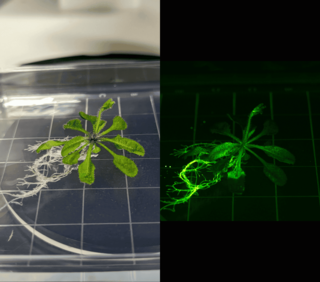
We develop cutting-edge imaging technologies to visualize plant responses to stimuli in real time. Using 4D imaging and ecosystem-scale imaging techniques, we develop methods to capture signal propagation in living plants—from the individual level to the ecosystem level.
Group Leader:Hiraku Suda
Sub-Group Leader:Ryoma Takeshima
2. Plant Molecular Genetics Group
Revealing plant senses from their DNA!
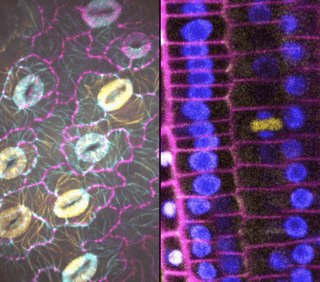
We investigate genes that play key roles in how plants perceive environmental changes and adapt to them. By elucidating the functions of specific genes, we aim to reveal the molecular mechanisms by which plants sense external stimuli and process environmental information.
Group Leader:Masayoshi Nakamura
Sub-Group Leader:Kazuo Ebine
Researcher:Noriyoshi Yagi, Takumi Tomoi
3. Electrophysiology/Structural Biology Group
Decoding plant senses through electrical signals and protein structures!
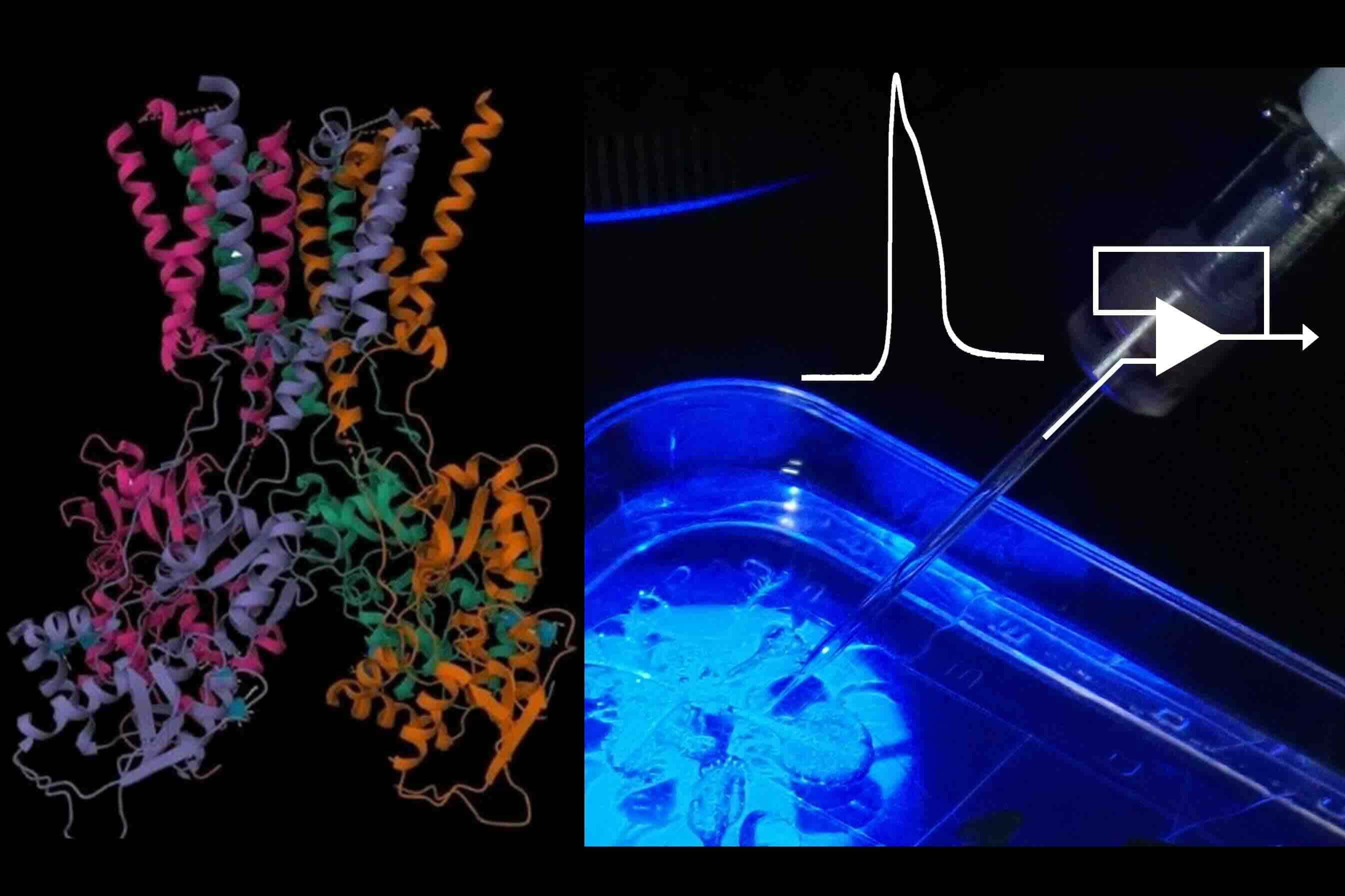
We investigate how plant cells generate electrical signals by analyzing the structures of the proteins involved. We also investigate how these signals are transmitted to distant tissues and uncover the mechanisms behind plant communication networks.
Group Leader:Hironori Takeda
Sub-Group Leader:Satoshi Ogawa
Researcher: Shuntaro Ono
4. Biophysics Group
Unraveling plant senses at the molecular level!
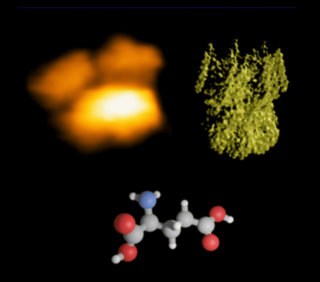
We aim to understand, at the molecular level, how plant sensing and signal transmission are driven by the conformational changes of proteins. In particular, we use single-molecule nanoscale observations with high-speed atomic force microscopy (HS-AFM) and computer simulations such as molecular dynamics (MD) to uncover how plant sensory functions arise from the conformational changes of proteins.
Group Leader:Mikihiro Shibata
Sub-Group Leader:Hiroshi Watanabe